- English
- Español
- Português
- русский
- Français
- 日本語
- Deutsch
- tiếng Việt
- Italiano
- Nederlands
- ภาษาไทย
- Polski
- 한국어
- Svenska
- magyar
- Malay
- বাংলা ভাষার
- Dansk
- Suomi
- हिन्दी
- Pilipino
- Türkçe
- Gaeilge
- العربية
- Indonesia
- Norsk
- تمل
- český
- ελληνικά
- український
- Javanese
- فارسی
- தமிழ்
- తెలుగు
- नेपाली
- Burmese
- български
- ລາວ
- Latine
- Қазақша
- Euskal
- Azərbaycan
- Slovenský jazyk
- Македонски
- Lietuvos
- Eesti Keel
- Română
- Slovenski
- मराठी
- Srpski језик

How Can Iguratimod Transform the Management of Rheumatic Diseases?
Summary
Chronic inflammatory rheumatic disorders impose substantial burdens on patients, clinicians, and healthcare systems worldwide. As a novel disease‑modifying antirheumatic drug, Iguratimod exhibits unique anti‑inflammatory, immunomodulatory, and bone‑protective properties, providing a new therapeutic option for rheumatoid arthritis and related conditions. This article reviews its molecular mechanism, clinical efficacy, safety profile, dosage guidelines, and pharmaceutical development, supporting evidence‑based decision‑making for rheumatologists, pharmacists, researchers, and pharmaceutical partners. It also covers quality standards, manufacturing control, and reliable sourcing for industrial and clinical applications.
Contents
Overview of Chronic Inflammatory Rheumatic Diseases
Rheumatic diseases, particularly rheumatoid arthritis (RA), represent a group of chronic systemic autoimmune disorders characterized by persistent synovial inflammation, progressive joint destruction, functional disability, and impaired quality of life. These conditions affect millions of individuals across all age groups and regions, creating long‑term medical, social, and economic challenges. Despite advances in treatment, many patients fail to achieve sustained remission or experience intolerable adverse reactions with conventional therapies, creating an urgent need for safer, more effective, and better‑tolerated therapeutic agents.
The pathological cascade involves dysregulated immune cell activation, excessive pro‑inflammatory cytokine release, autoantibody production, and imbalanced bone remodeling. Traditional treatment strategies include nonsteroidal anti‑inflammatory drugs, corticosteroids, conventional synthetic disease‑modifying antirheumatic drugs, and biological agents. However, limitations such as slow onset, systemic toxicity, high cost, or secondary failure remain widespread. In this context, emerging small‑molecule targeted therapies offer renewed hope, and Iguratimod stands out as a promising candidate that integrates multiple beneficial mechanisms within a single chemical entity.
Beyond symptomatic relief, modern rheumatology emphasizes complete remission, structural protection, and functional recovery. Drugs that simultaneously suppress inflammation, regulate abnormal immunity, inhibit bone resorption, and promote bone formation are highly valued. By addressing multiple pathological pathways simultaneously, innovative compounds can deliver superior long‑term outcomes while minimizing safety risks. Such agents are especially meaningful for patients who require prolonged maintenance therapy to prevent disease progression and irreversible damage.
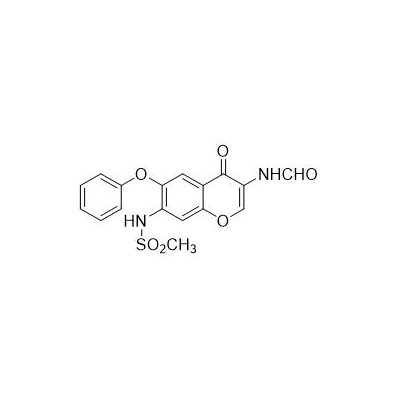
Molecular Mechanism of Action
As a novel small‑molecule synthetic agent, Iguratimod exerts its therapeutic effects through a multifaceted and coordinated mechanism that targets inflammation, immunity, and bone metabolism simultaneously. This integrated mode of action distinguishes it from many conventional antirheumatic drugs and supports its broad clinical utility.
- Selectively inhibits cyclooxygenase‑2 (COX‑2) to reduce prostaglandin production, thereby alleviating pain and swelling
- Suppresses the NF‑κB signaling pathway to reduce the release of pro‑inflammatory cytokines including TNF‑α, IL‑1β, IL‑6, and IL‑17
- Modulates T‑lymphocyte and B‑lymphocyte function, inhibits Th17 differentiation, and enhances Treg activity
- Reduces production of rheumatoid factor (RF) and anti‑cyclic citrullinated peptide (anti‑CCP) autoantibodies
- Inhibits osteoclast differentiation via the RANKL pathway and protects against bone erosion and joint destruction
- Enhances osteoblast function to promote bone formation and maintain skeletal integrity
This multi‑target mechanism enables it to act on several critical nodes of the pathological network. Unlike many anti‑inflammatory drugs that act only on a single pathway, this compound interrupts the positive feedback loop of chronic inflammation while restoring immune balance and protecting articular structure. Such a profile is highly advantageous for long‑term management of progressive autoimmune rheumatic diseases.
From a pharmaceutical perspective, its chemical structure and physicochemical properties support reliable manufacturing, stable formulation, and consistent oral absorption. As a white to off‑white crystalline powder, it meets international standards for active pharmaceutical ingredients (APIs), facilitating its development into tablets, granules, or other suitable dosage forms for global markets.
Clinical Efficacy and Applications
Extensive clinical research and real‑world evidence have consistently demonstrated the therapeutic value of Iguratimod in the management of rheumatoid arthritis and related inflammatory conditions. Its efficacy profile supports its use as monotherapy or in combination regimens across diverse patient populations.
In randomized controlled trials involving patients with active rheumatoid arthritis, treatment resulted in significant improvements across multiple core outcome measures, including duration of morning stiffness, number of tender and swollen joints, patient pain scores, physician global assessment, and health‑related quality of life. Marked reductions in acute‑phase reactants such as C‑reactive protein (CRP) and erythrocyte sedimentation rate (ESR) further confirm its potent anti‑inflammatory activity.
Comparative studies indicate that efficacy is similar to that of conventional synthetic DMARDs such as methotrexate, with potentially better tolerability in vulnerable populations. Notably, combination therapy with methotrexate yields synergistic effects, resulting in higher ACR20/50/70 response rates and more effective control of systemic inflammation than either agent alone. This makes it a valuable component of tailored combination strategies.
Beyond clinical symptom control, imaging studies and long‑term observational data demonstrate that it helps slow joint damage progression, preserve articular structure, and maintain physical function. These disease‑modifying effects are critical for preventing disability and sustaining independence in patients with chronic progressive disease. Its favorable benefit‑risk profile supports its use in early, moderate, and refractory disease stages.
Safety Profile and Tolerability
A favorable safety and tolerability profile is essential for any drug intended for long‑term rheumatic disease management. Clinical trials and post‑marketing surveillance confirm that Iguratimod exhibits a generally mild and manageable adverse reaction pattern, supporting its suitability for extended use.
Most reported adverse events are mild to moderate in severity, transient, and resolve spontaneously or with supportive management. Common reactions include mild gastrointestinal symptoms such as abdominal discomfort, nausea, bloating, and diarrhea, as well as minor liver enzyme elevations, skin rashes, and transient changes in blood cell counts. Severe adverse reactions are rare, and treatment discontinuation due to intolerance is low compared to some conventional DMARDs.
Monitoring guidelines recommend periodic assessment of liver function, renal function, and complete blood count during treatment, consistent with standard care for chronic antirheumatic therapy. Careful patient selection and avoidance in contraindicated populations minimize risks. Importantly, no signal of increased cardiovascular, hematologic, or serious infectious risk has been identified in large‑scale long‑term studies.
The safety profile is particularly favorable in elderly patients, a population often burdened with comorbidities and polypharmacy. Studies show similar efficacy and safety in patients aged 65 years and older compared with younger adults, supporting its pragmatic utility in real‑world clinical settings. Its low propensity for drug–drug interactions further enhances its suitability for combination regimens.
- Mild gastrointestinal reactions: abdominal fullness, nausea, loose stools
- Transient liver enzyme elevations: usually asymptomatic and reversible
- Mild skin reactions: rash, pruritus, generally responsive to symptomatic care
- Minor hematologic changes: mild leukopenia or thrombocytopenia
- Low risk of serious adverse events and treatment‑related discontinuations
Dosage Administration and Usage
Standardized dosage and administration ensure optimal efficacy, safety, and consistency across clinical practice. Approved dosage regimens for Iguratimod are designed to balance therapeutic response and tolerability for adult populations.
The recommended oral dosage for adults with active rheumatoid arthritis is 25 mg taken twice daily, after morning and evening meals. This schedule enhances gastrointestinal tolerability and supports stable systemic exposure. Clinical improvement typically begins within 4 to 12 weeks of continuous treatment; therefore, patients should be advised to maintain regular dosing rather than expecting immediate relief.
Dosage adjustment is generally not required based solely on age, although closer monitoring is advisable in frail elderly patients or those with mild hepatic or renal impairment. The drug is not recommended for use in pregnant or breastfeeding women, in patients with severe hepatic dysfunction, or in those with known hypersensitivity to the active ingredient or excipients.
Concomitant use with other DMARDs, nonsteroidal anti‑inflammatory agents, or low‑dose corticosteroids is feasible under medical supervision. Combination therapy should be individualized based on disease activity, comorbidities, and treatment response. Patients should receive clear education regarding proper administration, expected onset of effect, monitoring requirements, and warning signs requiring prompt medical attention.
Quality Control and Pharmaceutical Grade
Pharmaceutical quality and consistent manufacturing are foundational to reliable clinical performance and regulatory compliance. High‑grade API must meet strict international standards for purity, identity, potency, crystalline structure, and stability. Rigorous quality systems ensure that each batch delivers consistent pharmacological activity and safety.
- Full item testing covering identification, assay value, and physical crystalline property inspection
- Limit control on loss on drying, ignition residue, heavy metals and residual solvents
- Strict restriction on microbial contamination and genotoxic related impurities
- Full-process cGMP compliance covering raw incoming, intermediate and finished bulk inspection
Key quality attributes include accurate identification via infrared spectroscopy, high‑performance liquid chromatography assay, loss on drying, residue on ignition, heavy metal limits, microbial limits, and absence of genotoxic impurities. Compliance with current Good Manufacturing Practices (cGMP) covers raw material control, in‑process monitoring, final product testing, stability testing, and comprehensive documentation.
Professional API manufacturers implement full‑cycle quality management from raw material sourcing to finished product delivery. Advanced production facilities, precise process control, and standardized testing methods guarantee batch‑to‑batch consistency. Such rigorous control supports acceptance by regulatory authorities and trust among global pharmaceutical partners.
For pharmaceutical developers and distributors, partnering with reliable API suppliers ensures stable supply, regulatory support, and technical assistance. A professional manufacturer combines technical expertise, production capacity, quality commitment, and customer service to support seamless integration into global drug development and commercialization chains.
For high‑quality, compliant, and stable supply of active pharmaceutical ingredients, Jiangsu Run'an Pharmaceutical Co. Ltd. provides professional production and supply solutions that meet international regulatory requirements and pharmaceutical standards.
Frequently Asked Questions
Q1: What is the primary indication?
It is mainly used for the treatment of active rheumatoid arthritis in adult patients.
Q2: How long does it take to work?
Clinical improvement usually occurs within 4 to 12 weeks of continuous administration.
Q3: Can it be used with other DMARDs?
Yes, it is often used in combination with methotrexate or other agents for enhanced efficacy.
Q4: Is it suitable for elderly patients?
Yes, it demonstrates favorable safety and efficacy in patients up to 85 years of age.
Q5: What monitoring is required during treatment?
Periodic liver function, renal function, and complete blood count tests are recommended.
Q6: What is the molecular formula and CAS number?
Formula: C17H14N2O6S; CAS No.: 123663‑49‑0.
Q7: What is the appearance of the API?
White or almost white crystalline powder.
Q8: Can it prevent joint damage?
Yes, it inhibits bone erosion and helps preserve joint structure and function.
Conclusion and Future Outlook
The emergence of Iguratimod represents a meaningful advance in the pharmacological management of rheumatoid arthritis and related chronic inflammatory rheumatic conditions. Its unique combination of anti‑inflammatory, immunomodulatory, and bone‑protective actions addresses multiple dimensions of disease pathology, supporting both symptomatic improvement and long‑term structural protection.
Its favorable safety profile, convenient oral administration, and compatibility with combination regimens enhance its practical value in diverse clinical settings, including primary care, rheumatology clinics, and long‑term care facilities. As real‑world evidence continues to accumulate, its role in personalized treatment algorithms will continue to expand.
From a pharmaceutical perspective, reliable API supply, strict quality control, and compliance with international regulatory standards are essential for global access. Manufacturers with professional R&D, standardized production, and robust quality systems play a vital role in supporting sustainable healthcare solutions worldwide.
Looking forward, ongoing research will further define its potential in other autoimmune and inflammatory disorders, optimize combination strategies, and refine personalized dosing approaches. Together with advances in precision medicine and targeted therapy, it will continue to improve outcomes, enhance quality of life, and reduce the global burden of rheumatic diseases.